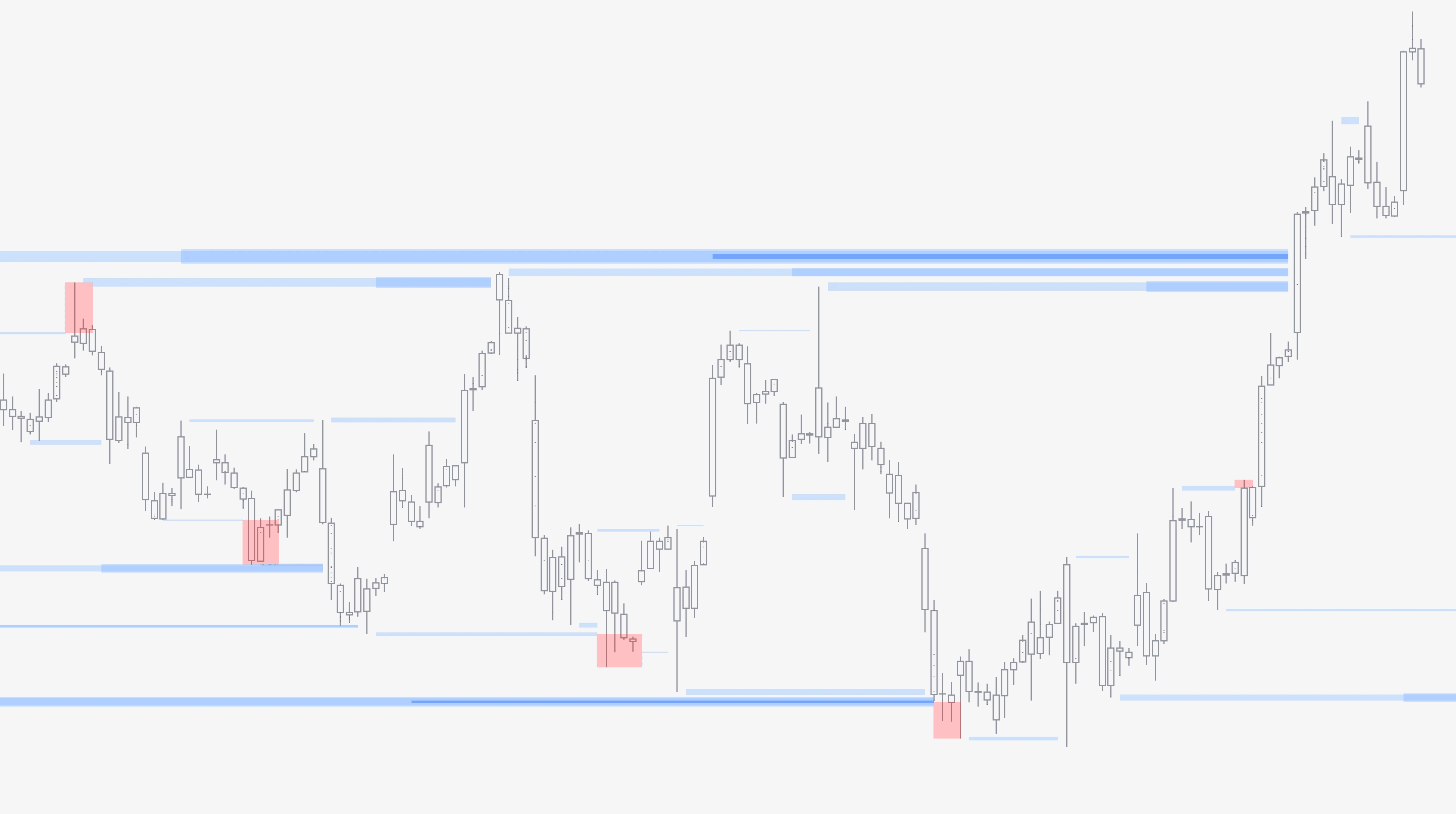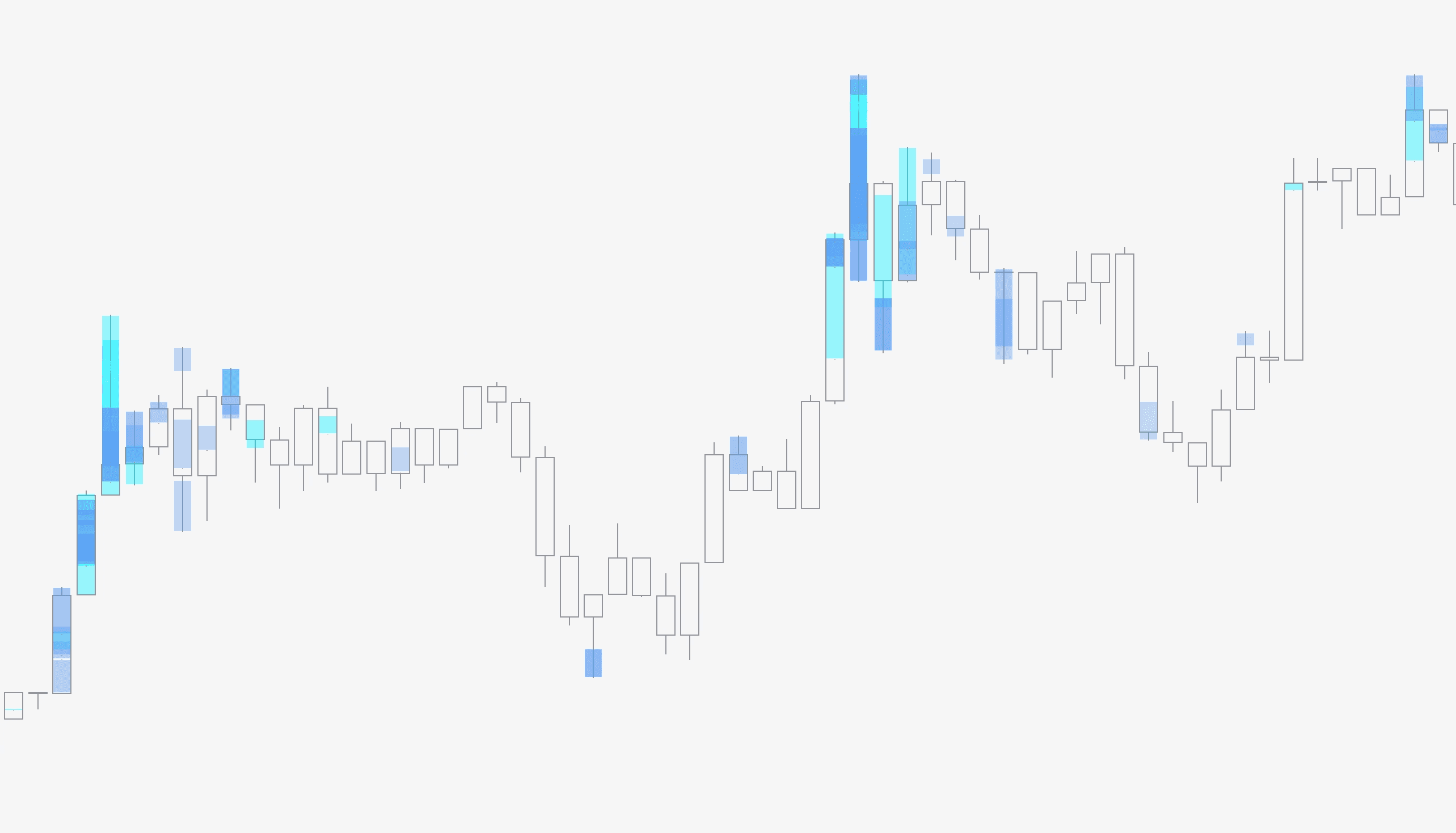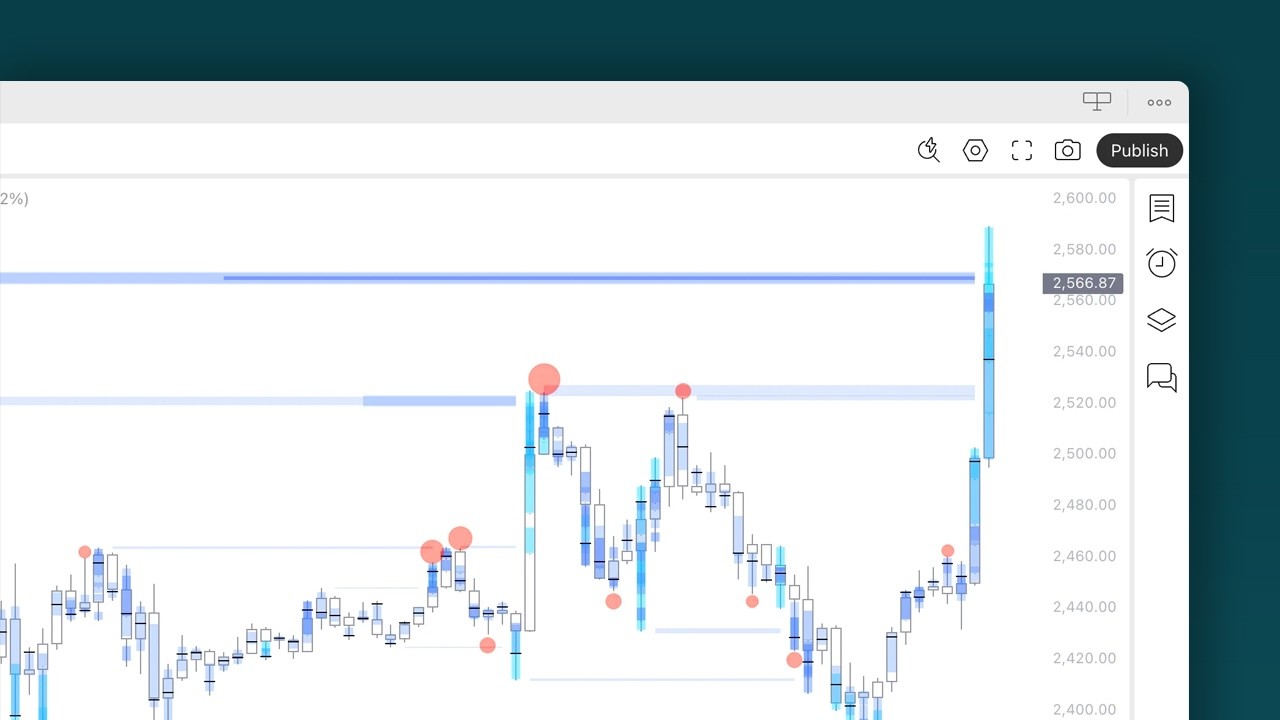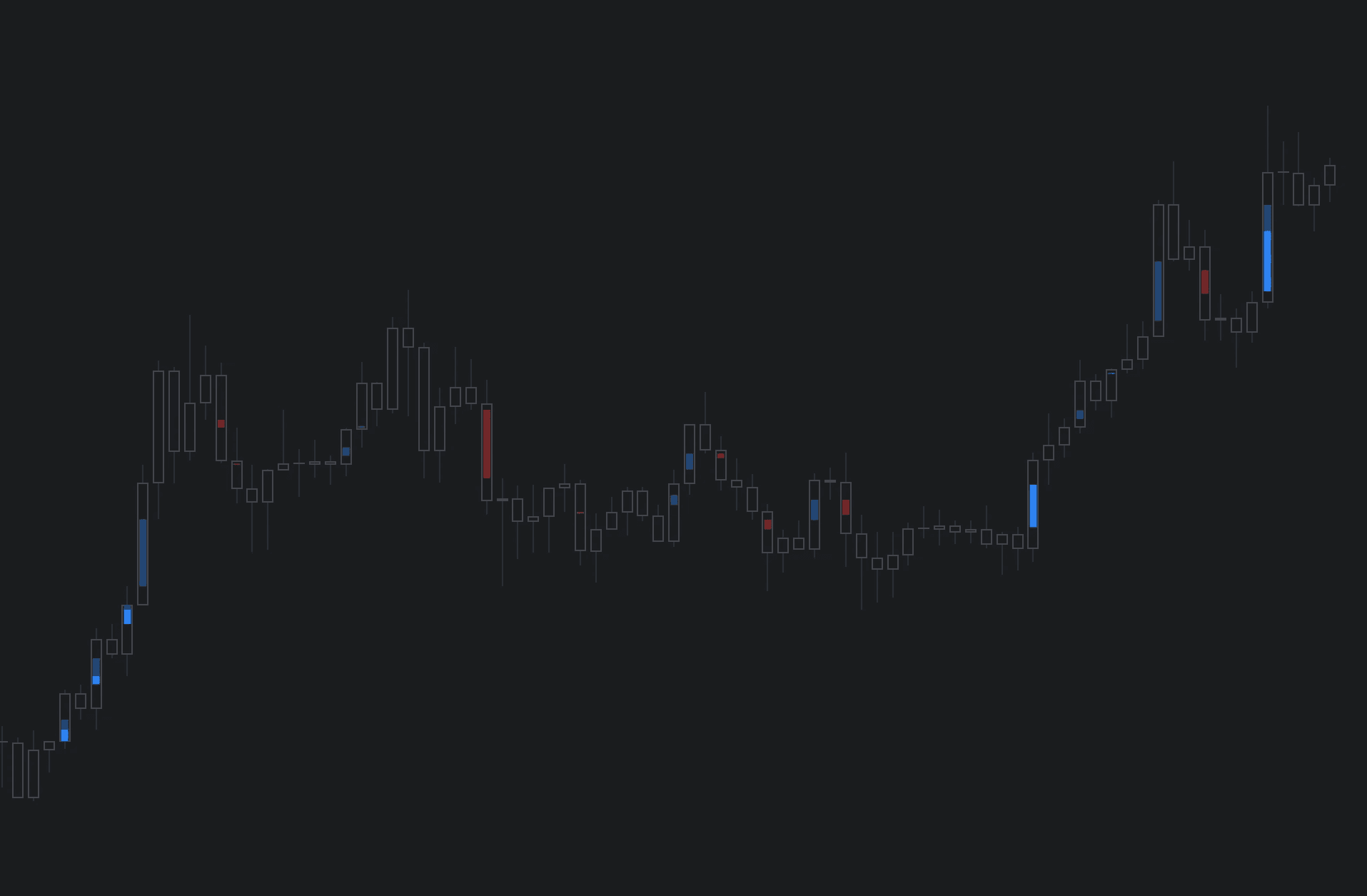

Algorithmic orderflow. vs traditional orderflow
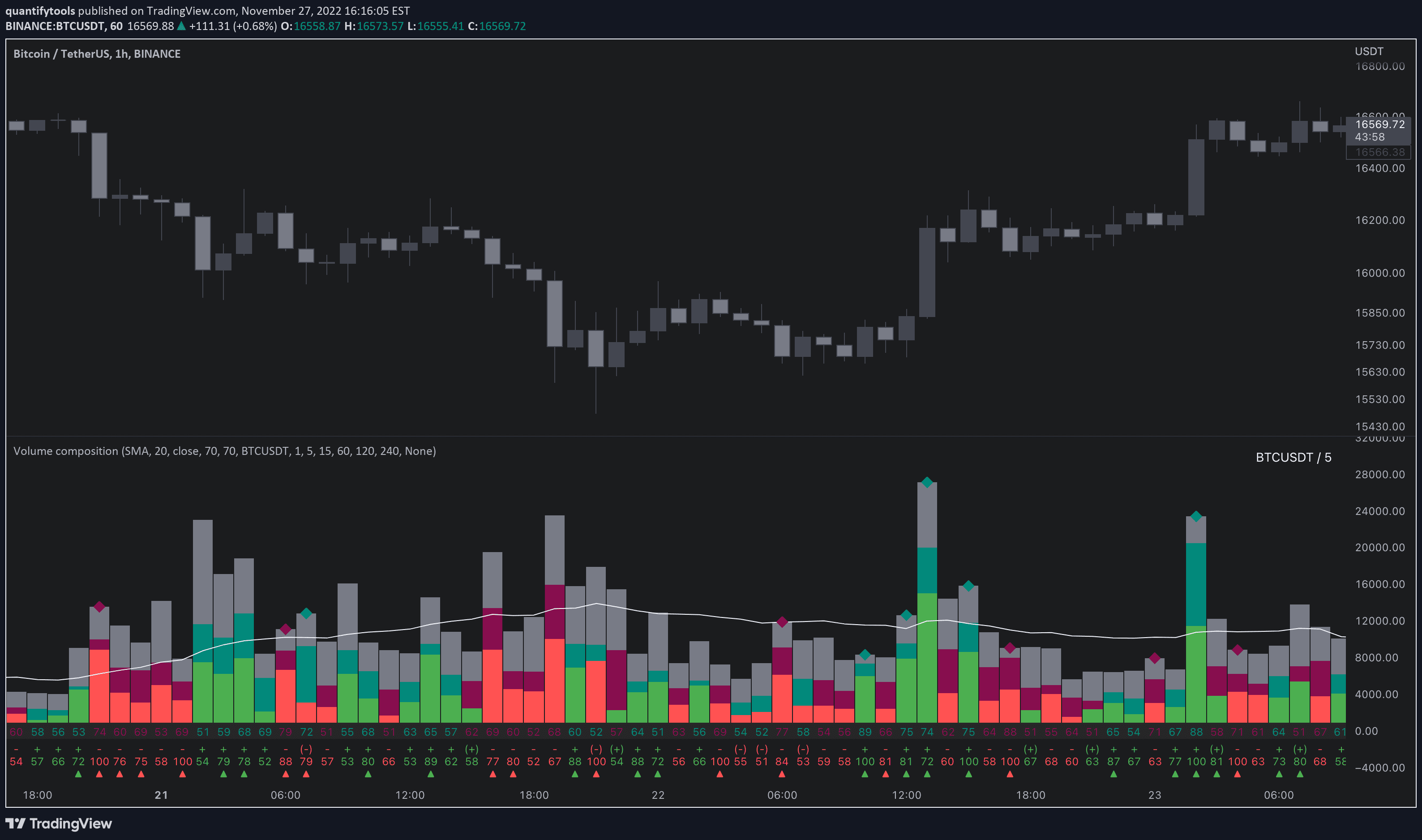
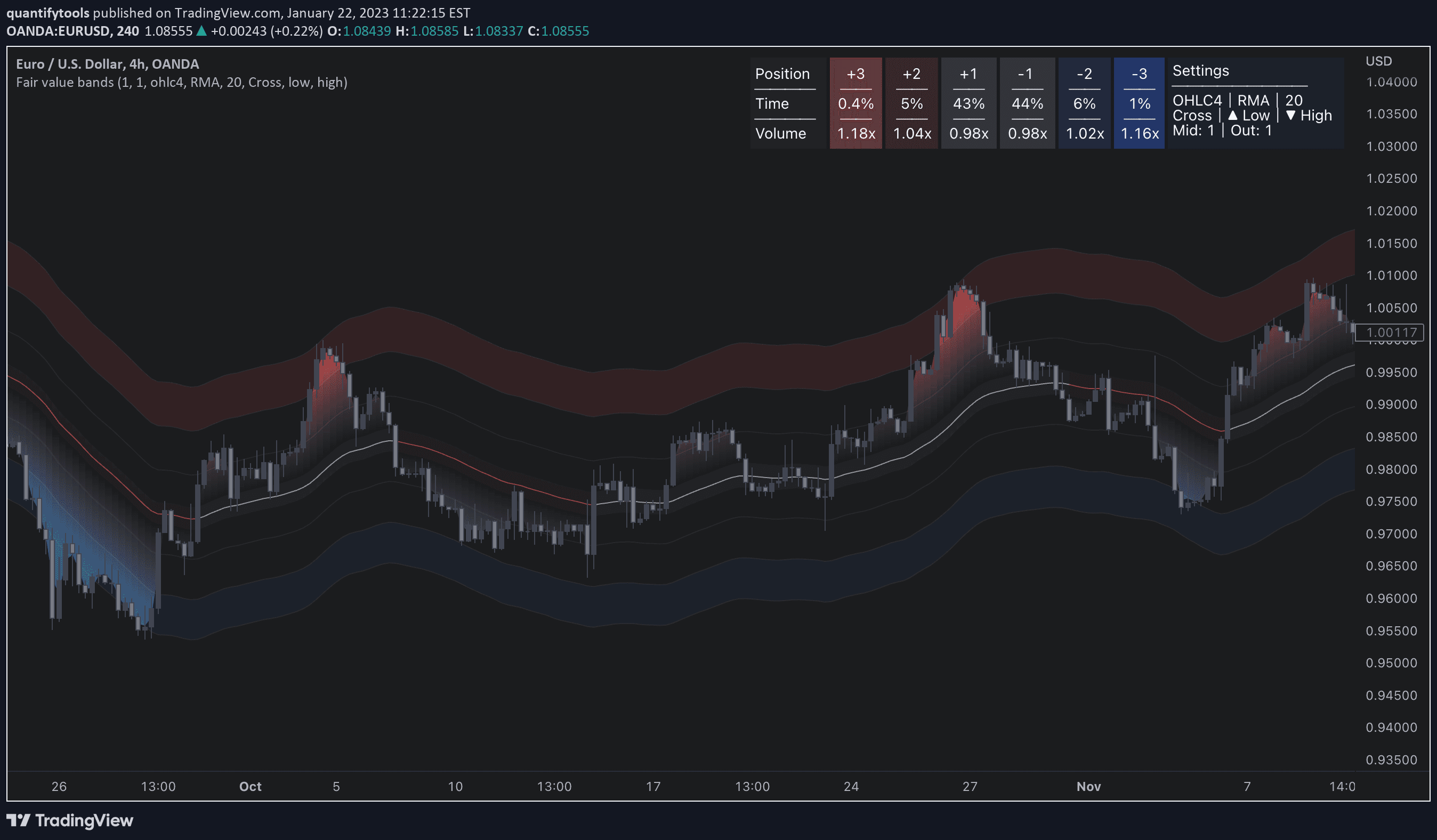
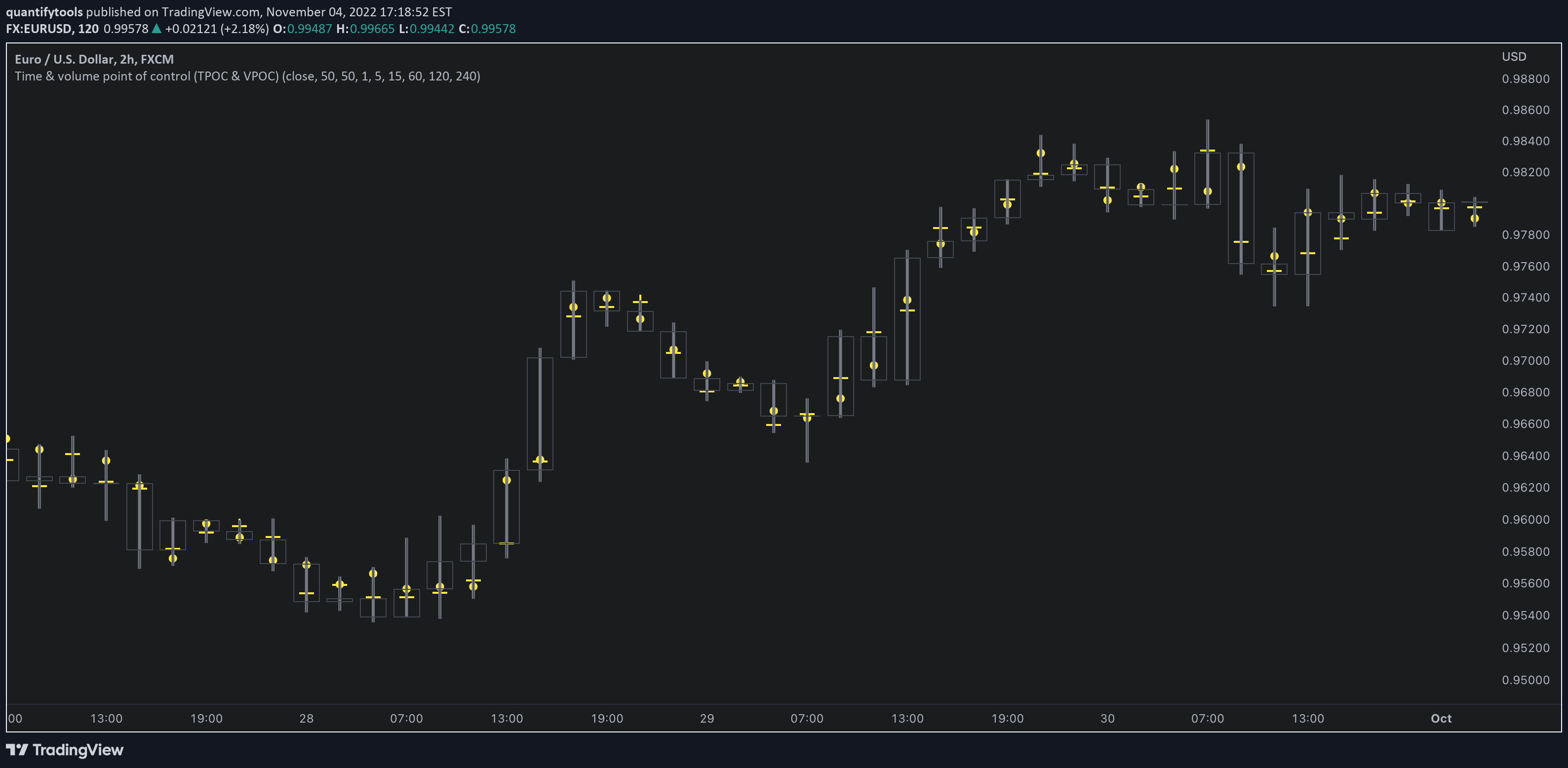
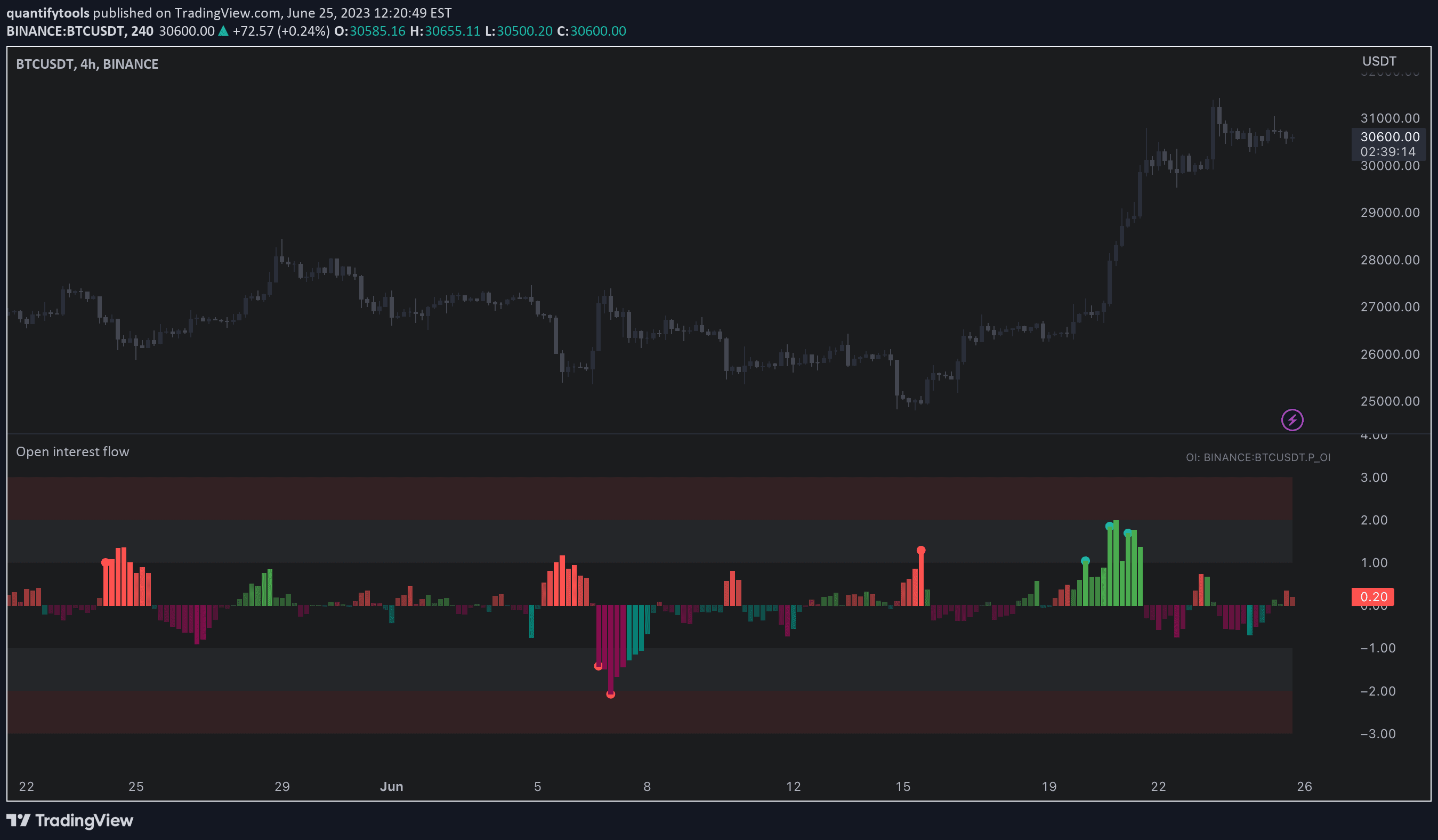
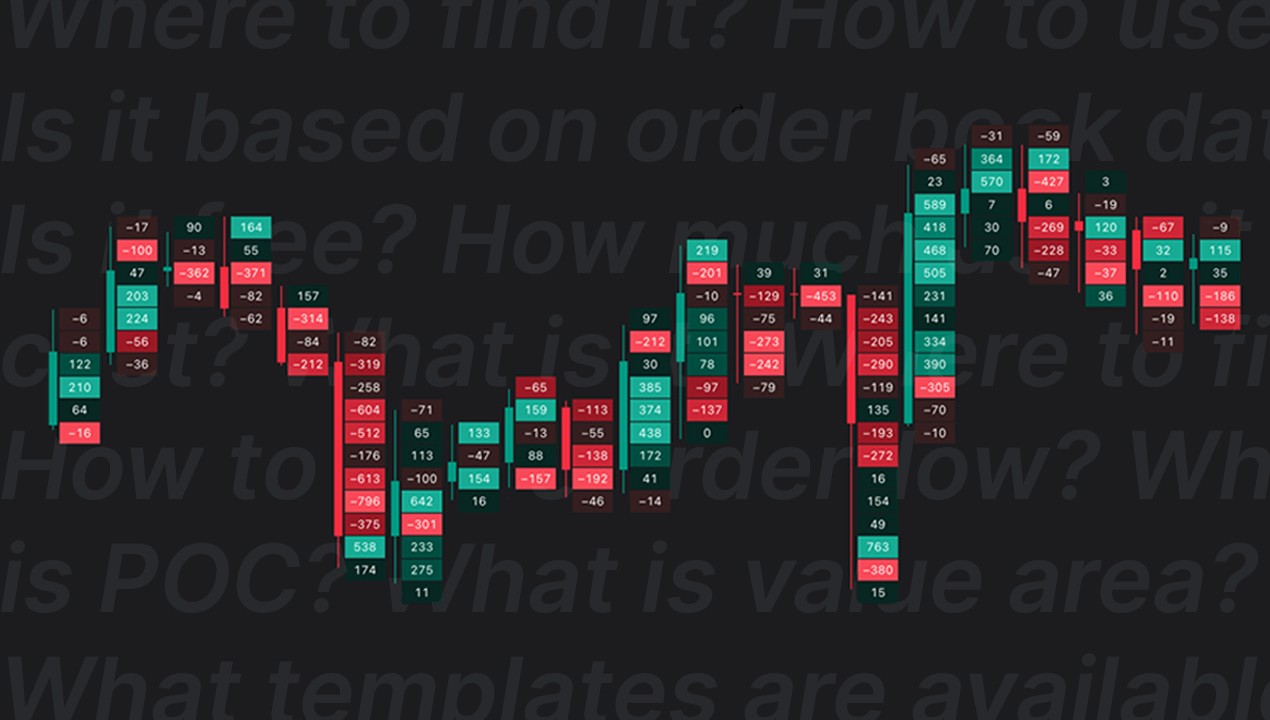
The key difference between algorithmic and traditional orderflow is processing the volume through an algorithm, then displaying it, compared to just simply displaying it.
Let's briefly go over both to get a better understanding of the differences.
How traditional orderflow works?
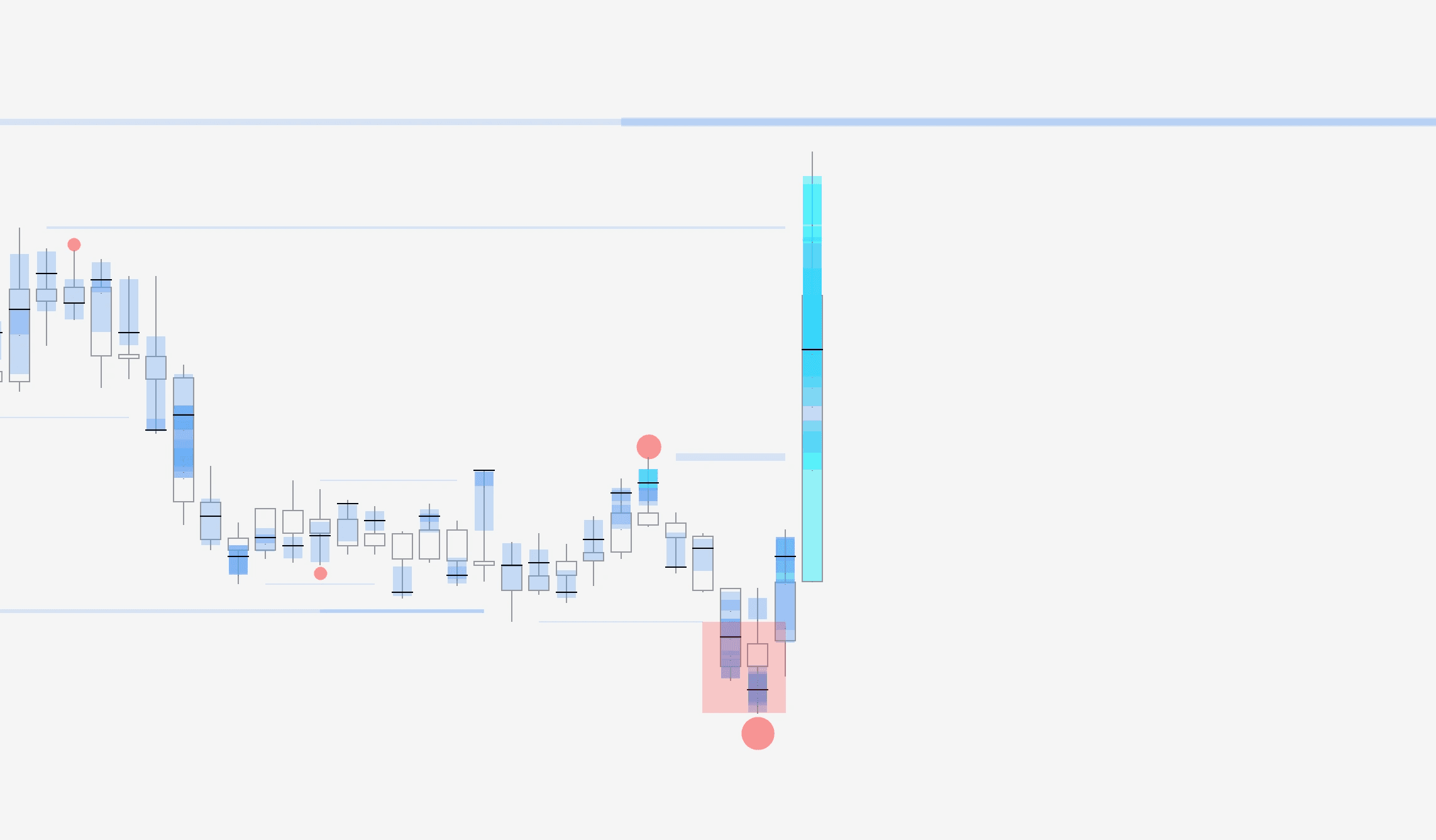
In traditional orderflow, a liquidation might be visualized when large enough sell or buy volume is occurring quickly enough.
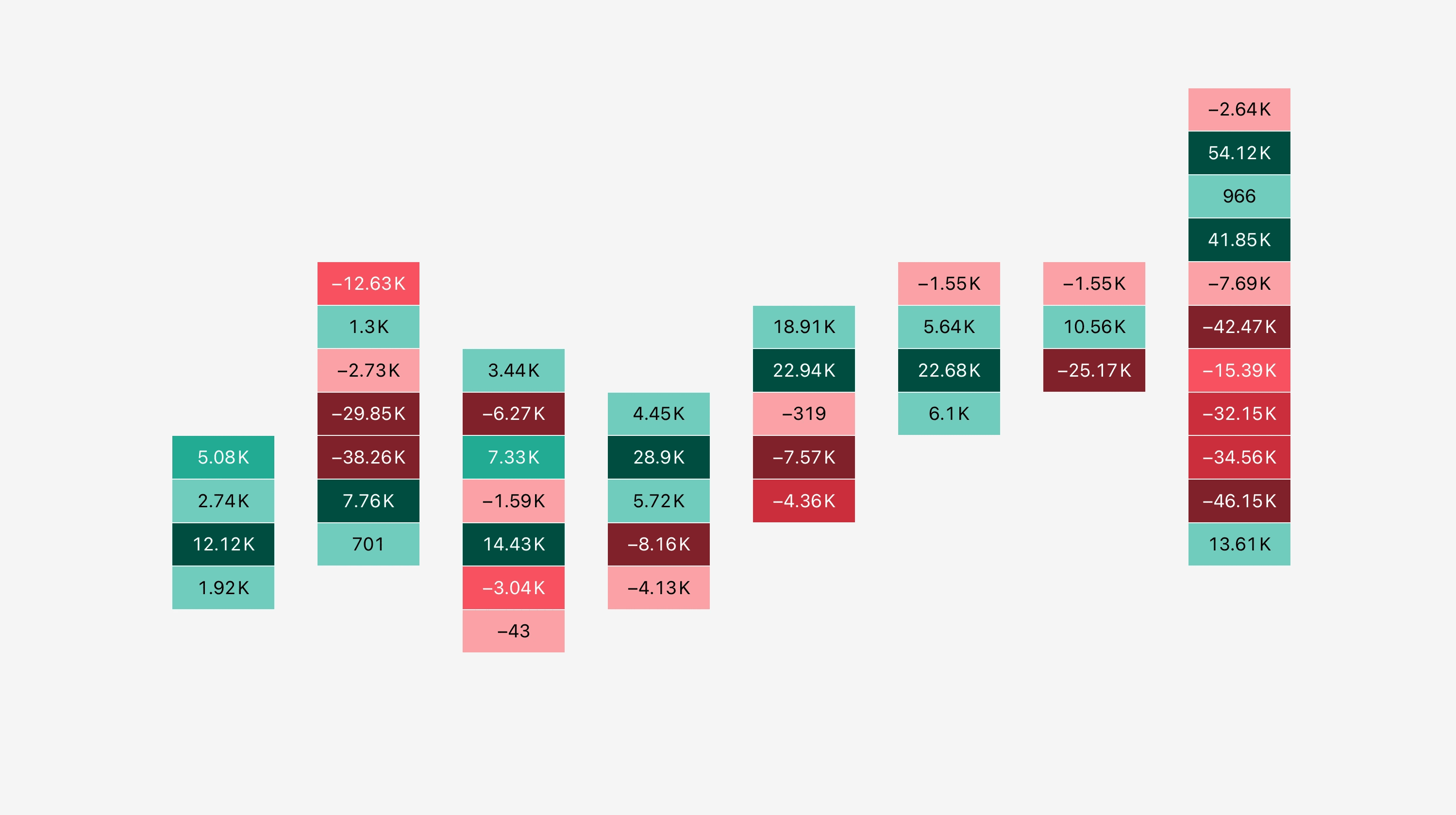
In the same way, other traditional orderflow tools simply visualize exactly the way volume developed in an exchange.
However, visualizing a volume event exactly the way it occurred doesn't necessarily constitute a significant in the markets yet.
For example, liquidations happen all the time without much impact on price.
How algorithmic orderflow works?
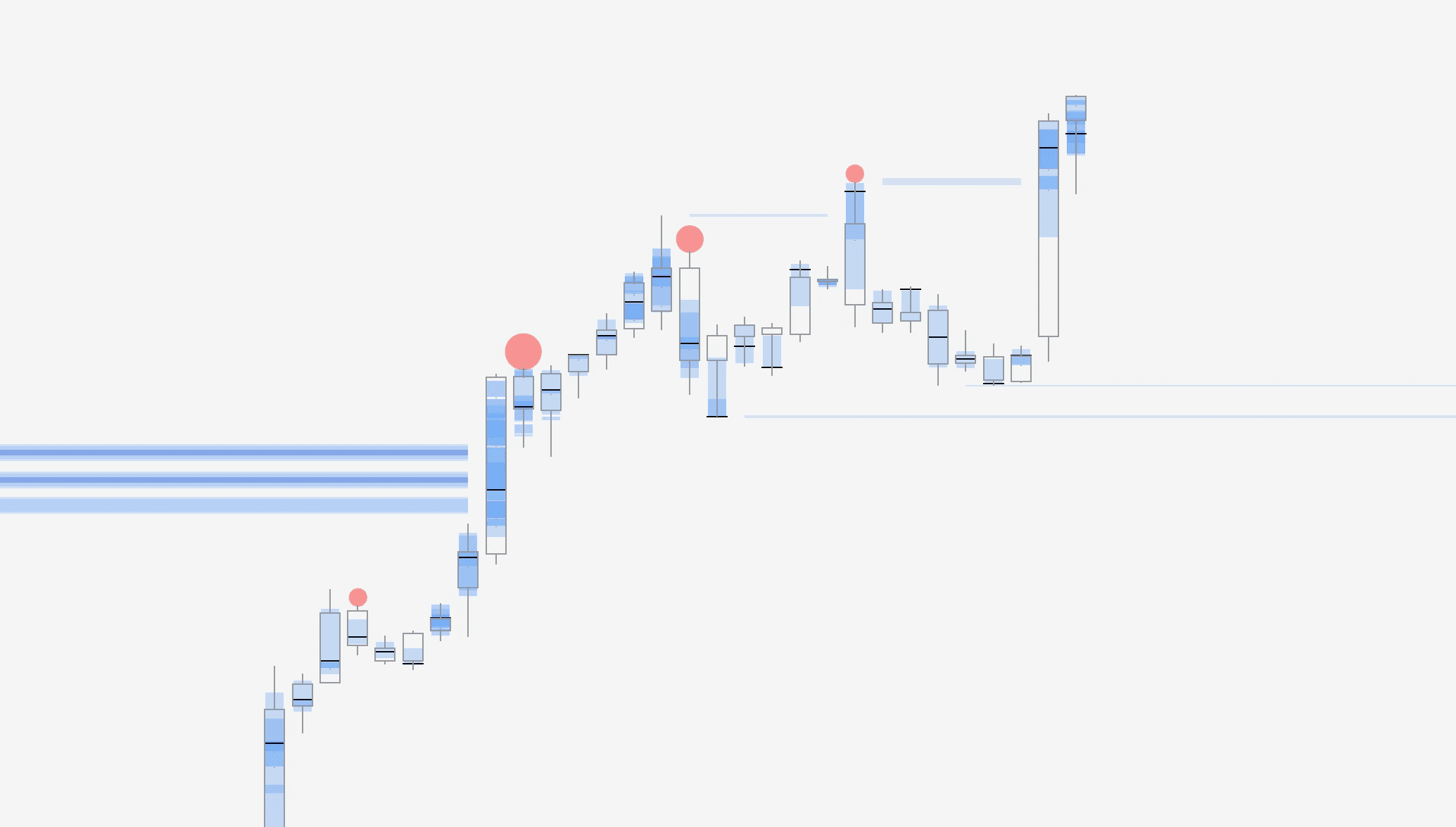
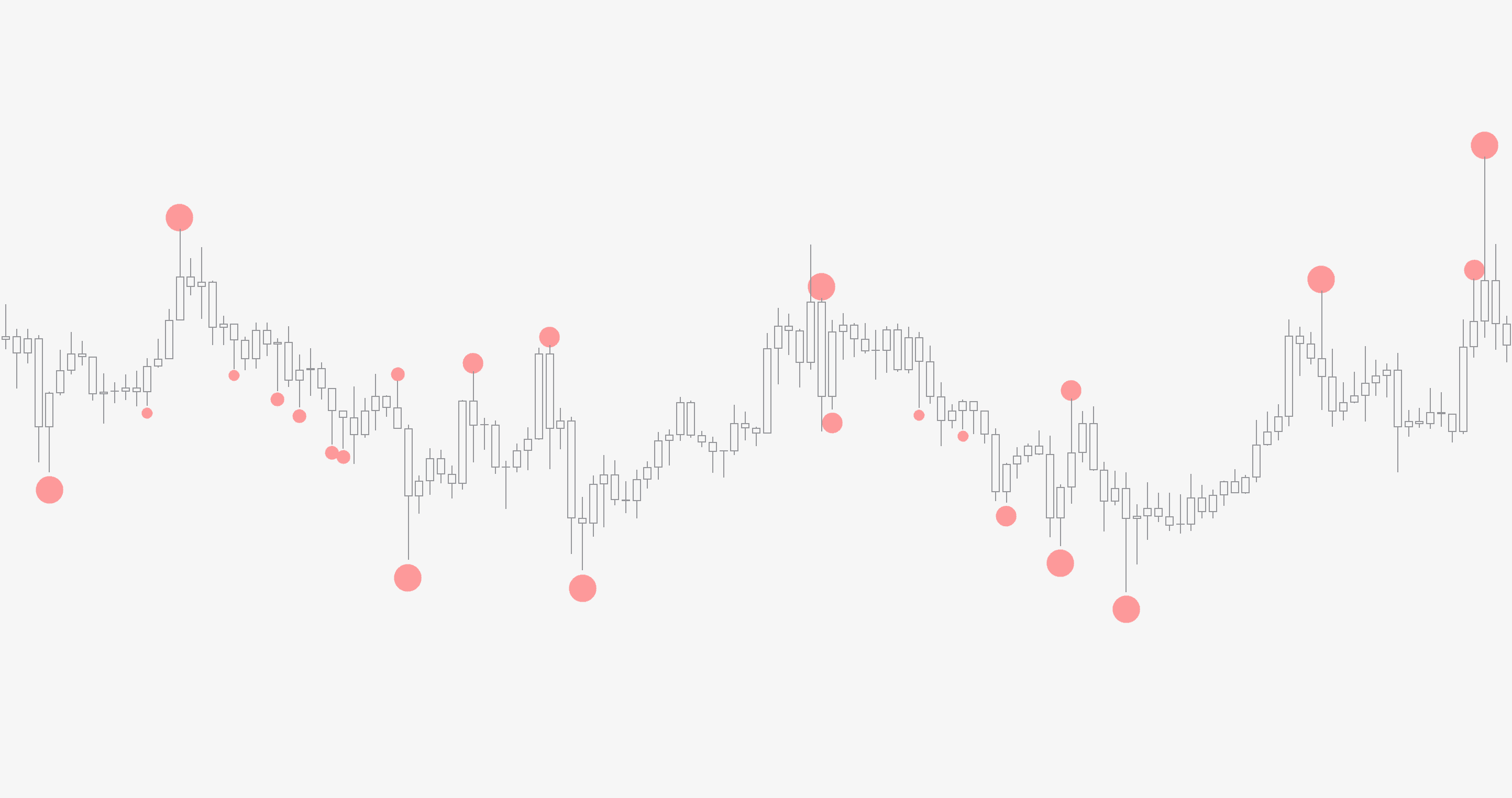
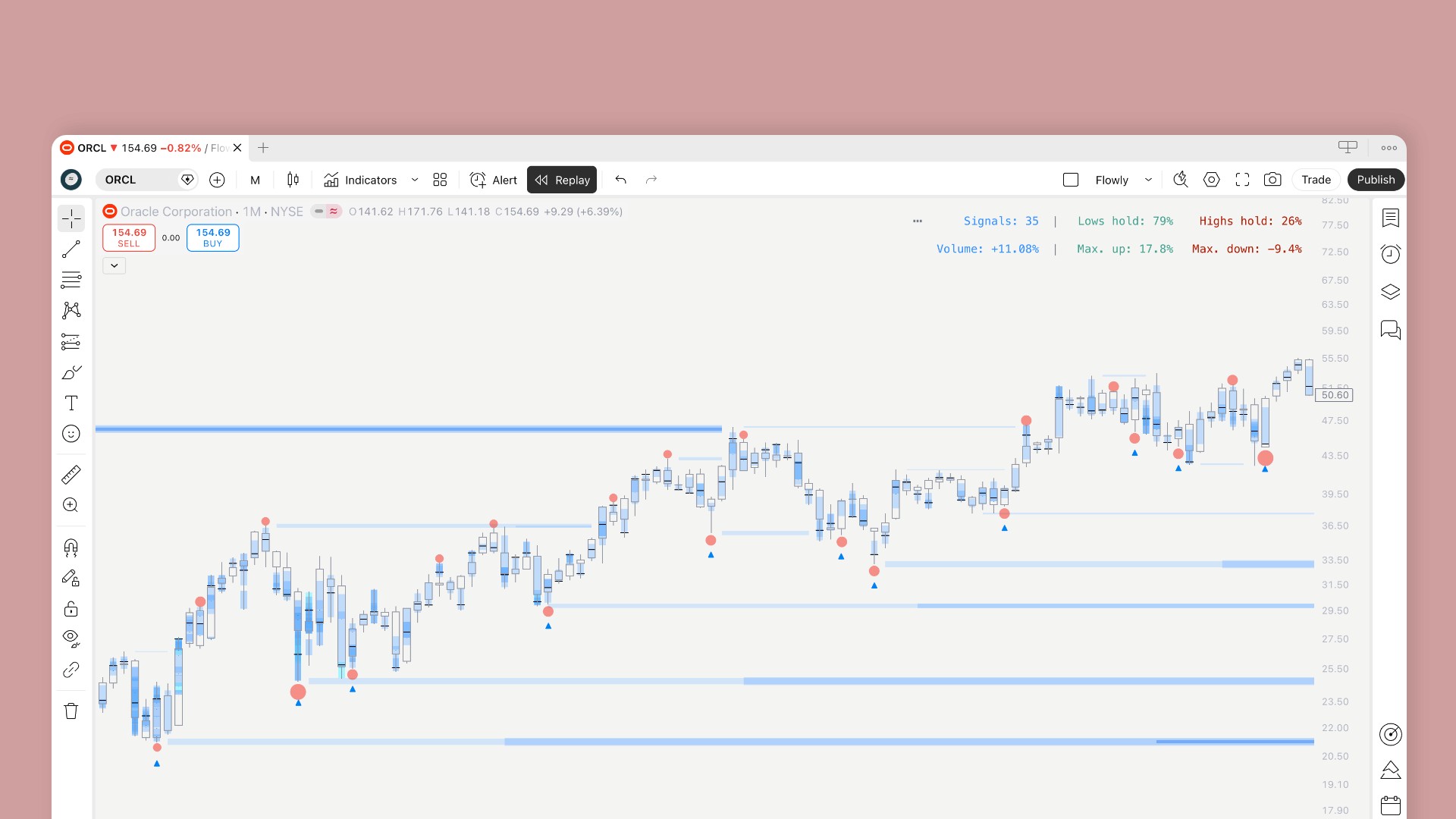
To define a liquidation in algorithmic orderflow, large enough volume is detected the same way. But on top, other crucial factors are taken into account to determine if the event is significant.
Does price action show signs of a liquidation? If yes, how extreme it is? Is the market at an oversold or overbought state that makes a liquidation more likely to have price impact? How did the volume pattern draw itself?
These are some of the questions the algorithm evaluates. Once every factor is analyzed, the algorithm prints a final ranking and conclusion for the volume event.
If the ranking is high enough, it is confirmed as a volume event, otherwise dismissed as noise.
Algorithmic orderflow allows a filtered and processed view of orderflow, optimizing relevance over exactness.
Algorithmic orderflow. vs traditional orderflow
The key difference between algorithmic and traditional orderflow is processing the volume through an algorithm, then displaying it, compared to just simply displaying it.
Let's briefly go over both to get a better understanding of the differences.
How traditional orderflow works?
In traditional orderflow, a liquidation might be visualized when large enough sell or buy volume is occurring quickly enough.
In the same way, other traditional orderflow tools simply visualize exactly the way volume developed in an exchange.
However, visualizing a volume event exactly the way it occurred doesn't necessarily constitute a significant in the markets yet.
For example, liquidations happen all the time without much impact on price.
How algorithmic orderflow works?
To define a liquidation in algorithmic orderflow, large enough volume is detected the same way. But on top, other crucial factors are taken into account to determine if the event is significant.
Does price action show signs of a liquidation? If yes, how extreme it is? Is the market at an oversold or overbought state that makes a liquidation more likely to have price impact? How did the volume pattern draw itself?
These are some of the questions the algorithm evaluates. Once every factor is analyzed, the algorithm prints a final ranking and conclusion for the volume event.
If the ranking is high enough, it is confirmed as a volume event, otherwise dismissed as noise.
Algorithmic orderflow allows a filtered and processed view of orderflow, optimizing relevance over exactness.
Advantages and disadvantages of algorithmic orderflow
Algorithmic orderflow comes with distinct advantages and disadvantages that users should be aware of.
Advantages | Disadvantages |
|---|---|
✅ Works on all markets and timeframes | ❌ Not based on volume tick data |
✅ High conviction volume events, less noise | ❌ Some volume events are slightly delayed |
✅ Measure performance with backtesting | |
✅ Create market scans | |
✅ Create alerts |
Advantages of SubFlow Terminal
SubFlow Terminal's algorithmic approach allows unique advantages that don't exist in traditional orderflow - universal compatibility for all charts, minimal noise and filtered events with high conviction.
Perhaps the best advantage of this approach is being able to measure historical price and volume impact for each event.
This process is known as backtesting, allowing us to confirm the algorithm is doing its job well.
We can also create market scans to fully automate finding the volume events and go touch grass while alerts let us know when something important is happening.
Disadvantages of SubFlow Terminal
On the disadvantages side, algorithmic orderflow is not a direct and raw volume feed from exchange, but rather an aggregation and intepretation of the volume.
Some orderflow traders might prefer to not outsource this process to an algorithm, but have the raw feed and make full conclusions themselves.
Another disadvantage of this approach is some volume events confirming with slight delay, which are explored in this table.
Event/tool | Delay |
|---|---|
Value Area & POC | ⚡ Real-time |
Internal Flow | ⚡ Real-time |
Liquidity pool sweep | ⚡ Real-time |
Liquidation | ⏱️ Confirmed on candle close |
Liquidity pool formation | ⏱️ 2-3 candles delay |
Advantages and disadvantages of algorithmic orderflow
Algorithmic orderflow comes with distinct advantages and disadvantages that users should be aware of.
Advantages | Disadvantages |
|---|---|
✅ Works on all markets and timeframes | ❌ Not based on volume tick data |
✅ High conviction volume events, less noise | ❌ Some volume events are slightly delayed |
✅ Measure performance with backtesting | |
✅ Create market scans | |
✅ Create alerts |
Advantages of SubFlow Terminal
SubFlow Terminal's algorithmic approach allows unique advantages that don't exist in traditional orderflow - universal compatibility for all charts, minimal noise and filtered events with high conviction.
Perhaps the best advantage of this approach is being able to measure historical price and volume impact for each event.
This process is known as backtesting, allowing us to confirm the algorithm is doing its job well.
We can also create market scans to fully automate finding the volume events and go touch grass while alerts let us know when something important is happening.
Disadvantages of SubFlow Terminal
On the disadvantages side, algorithmic orderflow is not a direct and raw volume feed from exchange, but rather an aggregation and intepretation of the volume.
Some orderflow traders might prefer to not outsource this process to an algorithm, but have the raw feed and make full conclusions themselves.
Another disadvantage of this approach is some volume events confirming with slight delay, which are explored in this table.
Event/tool | Delay |
|---|---|
Value Area & POC | ⚡ Real-time |
Internal Flow | ⚡ Real-time |
Liquidity pool sweep | ⚡ Real-time |
Liquidation | ⏱️ Confirmed on candle close |
Liquidity pool formation | ⏱️ 2-3 candles delay |
Is algorithmic orderflow real orderflow?
To determine whether algorithmic orderflow is real orderflow, one will have to consider what "real orderflow" means.
While SubFlow Terminal does not display raw volume tick data directly from an exchange, it does display volume and related events - filtered, processed and ranked by the algorithm.
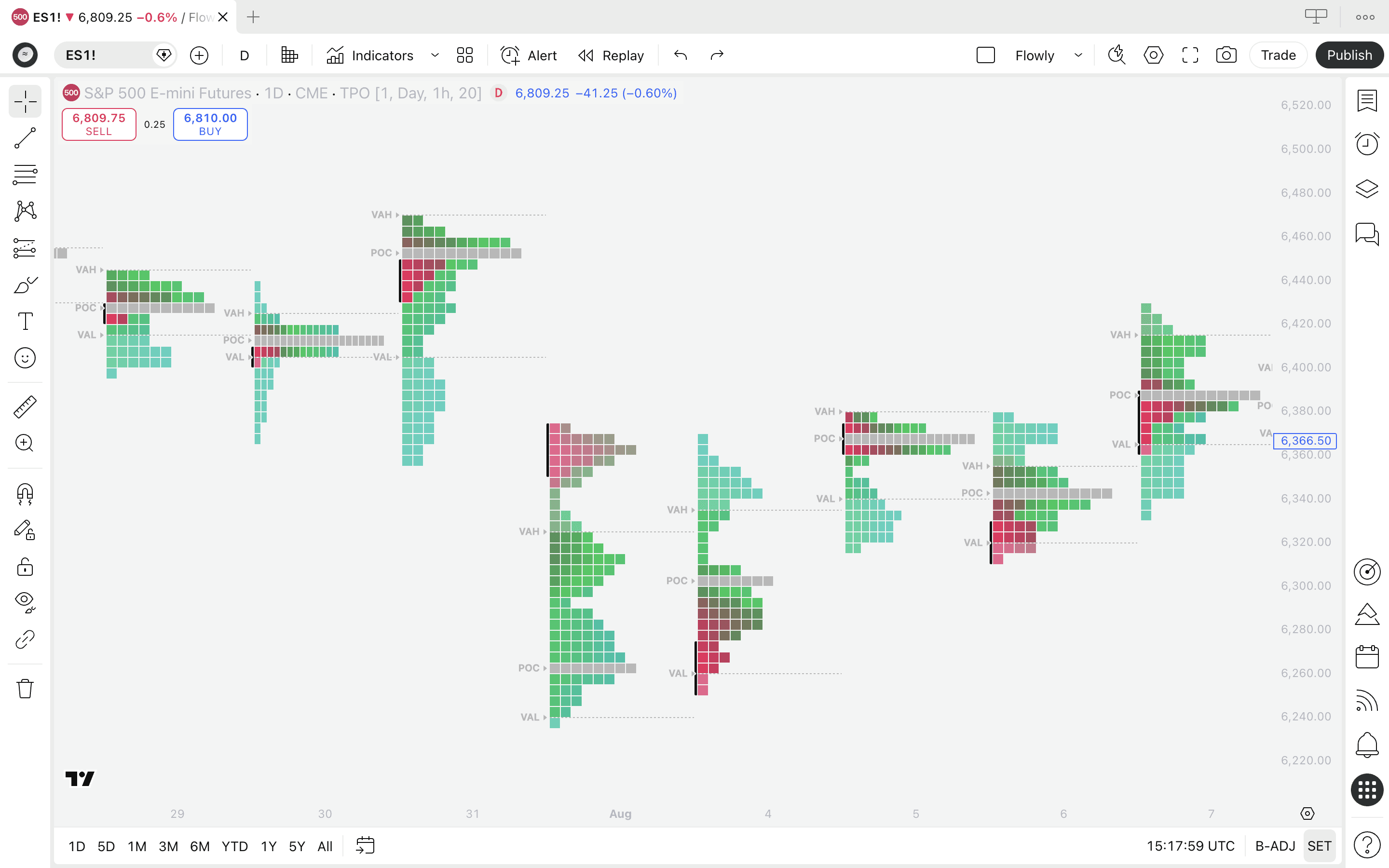
Many of the elements in SubFlow Terminal are in line traditional orderflow principles, such as Value Area and Point of Control, which are built the same way TradingView's native orderflow tools are (e.g. volume footprint charts, a paid feature).
One will have to consider whether the advantages outweigh the disadvantages, but SubFlow Terminal nevertheless provides greatly accurate information of orderflow events without major compromises.
Is algorithmic orderflow real orderflow?
To determine whether algorithmic orderflow is real orderflow, one will have to consider what "real orderflow" means.
While SubFlow Terminal does not display raw volume tick data directly from an exchange, it does display volume and related events - filtered, processed and ranked by the algorithm.
Many of the elements in SubFlow Terminal are in line traditional orderflow principles, such as Value Area and Point of Control, which are built the same way TradingView's native orderflow tools are (e.g. volume footprint charts, a paid feature).
One will have to consider whether the advantages outweigh the disadvantages, but SubFlow Terminal nevertheless provides greatly accurate information of orderflow events without major compromises.
Mentioned in this section
Dive deeper into topics mentioned
Mentioned in this section
Dive deeper into topics mentioned
You're learning faster than algorithms 💪
That's the brief on core foundation of SubFlow Terminal's algorithmic nature.
Take a breather and hop onto other lessons to learn how each tool works in SubFlow Terminal and most importantly, how to trade orderflow with them. Find more lessons here 👇
You're learning faster than algorithms 💪
That's the brief on core foundation of SubFlow Terminal's algorithmic nature.
Take a breather and hop onto other lessons to learn how each tool works in SubFlow Terminal and most importantly, how to trade orderflow with them. Find more lessons here 👇