
AI summary

AI summary

AI summary

This SubFlow Terminal guide explains the liquidations feature, which detects when traders are forced out of positions via stop-loss triggers. Mass liquidation events create pain trade opportunities where you can counter trapped traders for reversals.

This SubFlow Terminal guide explains the liquidations feature, which detects when traders are forced out of positions via stop-loss triggers. Mass liquidation events create pain trade opportunities where you can counter trapped traders for reversals.

This SubFlow Terminal guide explains the liquidations feature, which detects when traders are forced out of positions via stop-loss triggers. Mass liquidation events create pain trade opportunities where you can counter trapped traders for reversals.

How Liquidations work in SubFlow Terminal

How Liquidations work in SubFlow Terminal

How Liquidations work in SubFlow Terminal

With liquidations someone's pain can be your gain

With liquidations someone's pain can be your gain

With liquidations someone's pain can be your gain

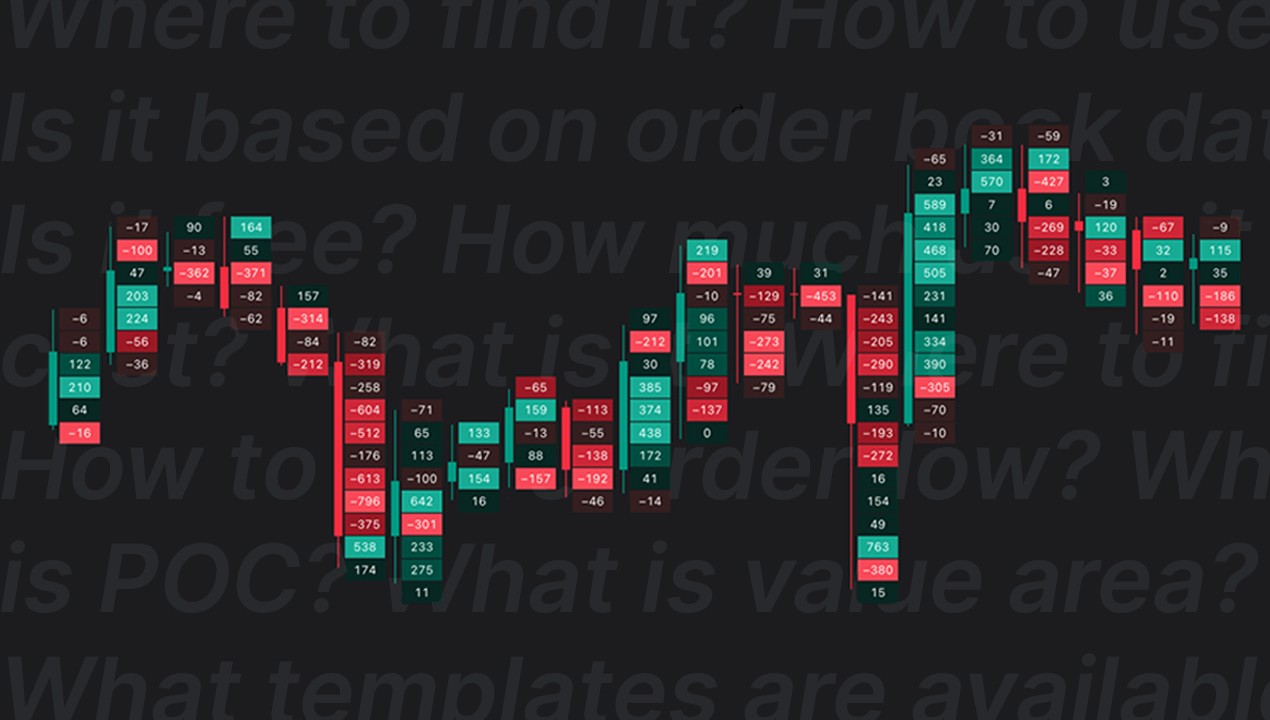
Main image for the guide "Liquidations in SubFlow Terminal"

Flowly Team

Flowly Team

Jan 26, 2026

Jan 26, 2026

2 min read

2 min read

Share

Questions about SubFlow Terminal?

Questions about SubFlow Terminal?

Chat with us

Chat with us

What are liquidations?

Liquidation refers to an event where a trading position is exited forcefully due to stop-loss being triggered.

When liquidations take place en masse, an opportunity for a reversal or halt in price emerges, fueled by pain.

In this article we will cover how liquidations work in SubFlow Terminal, what information they tell us and brief on how to trade them.

What are liquidations?

Liquidation refers to an event where a trading position is exited forcefully due to stop-loss being triggered.

When liquidations take place en masse, an opportunity for a reversal or halt in price emerges, fueled by pain.

In this article we will cover how liquidations work in SubFlow Terminal, what information they tell us and brief on how to trade them.

In this article

In this article

In this article

Liquidations in SubFlow Terminal

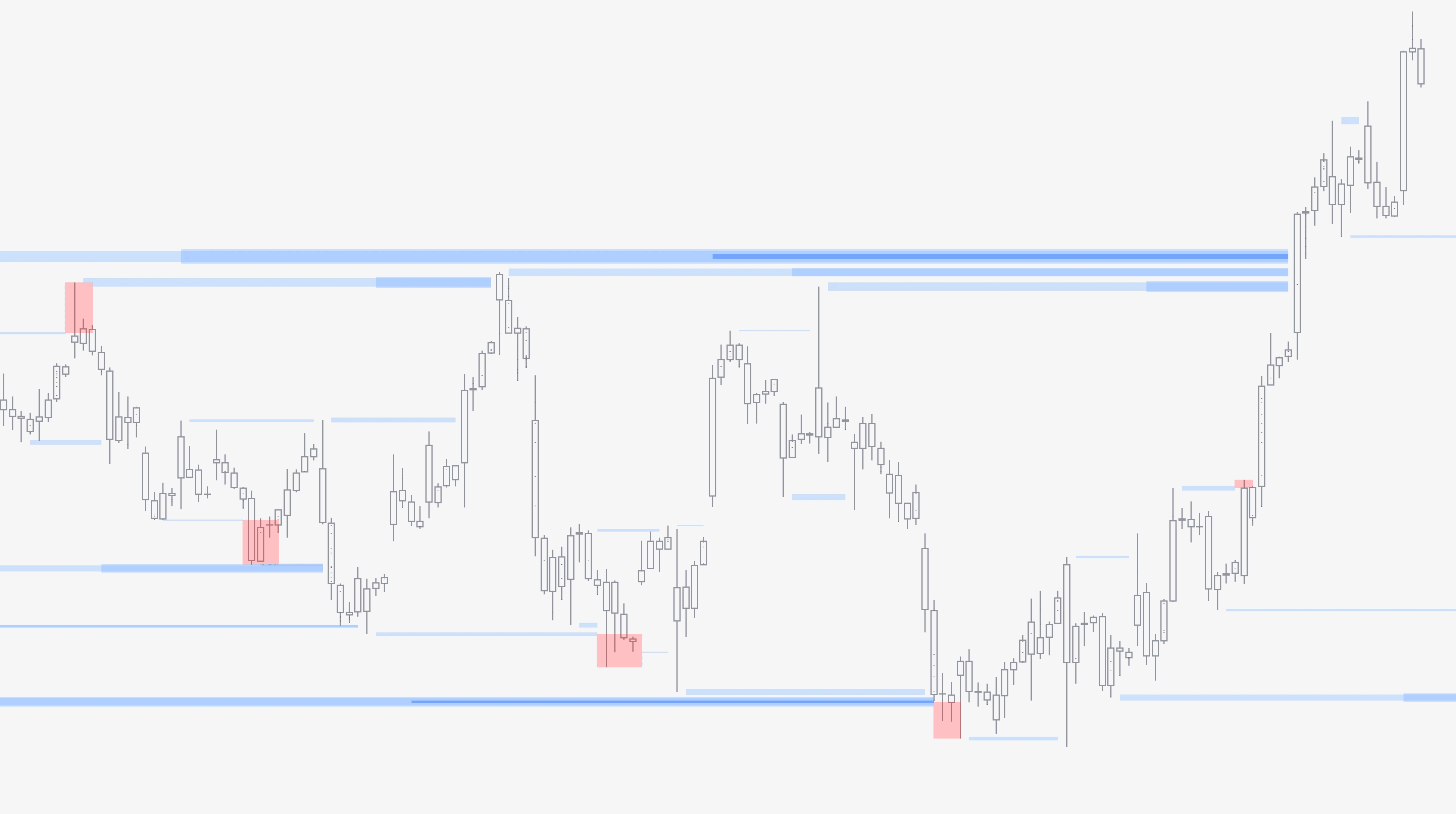
Liquidations in SubFlow Terminal are detected by a complex algorithm assessing volume and price anomalies associated with a liquidation event.

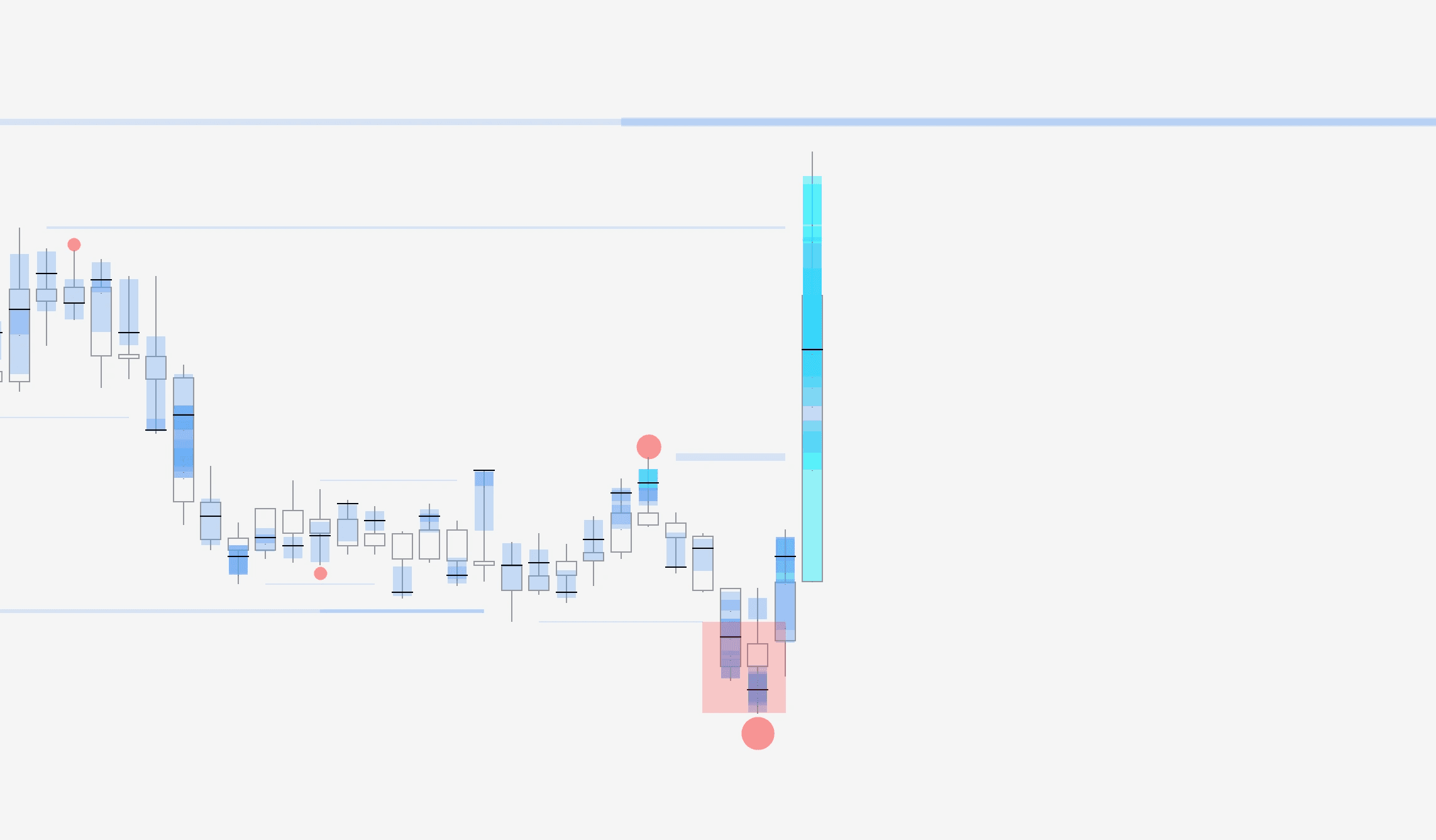
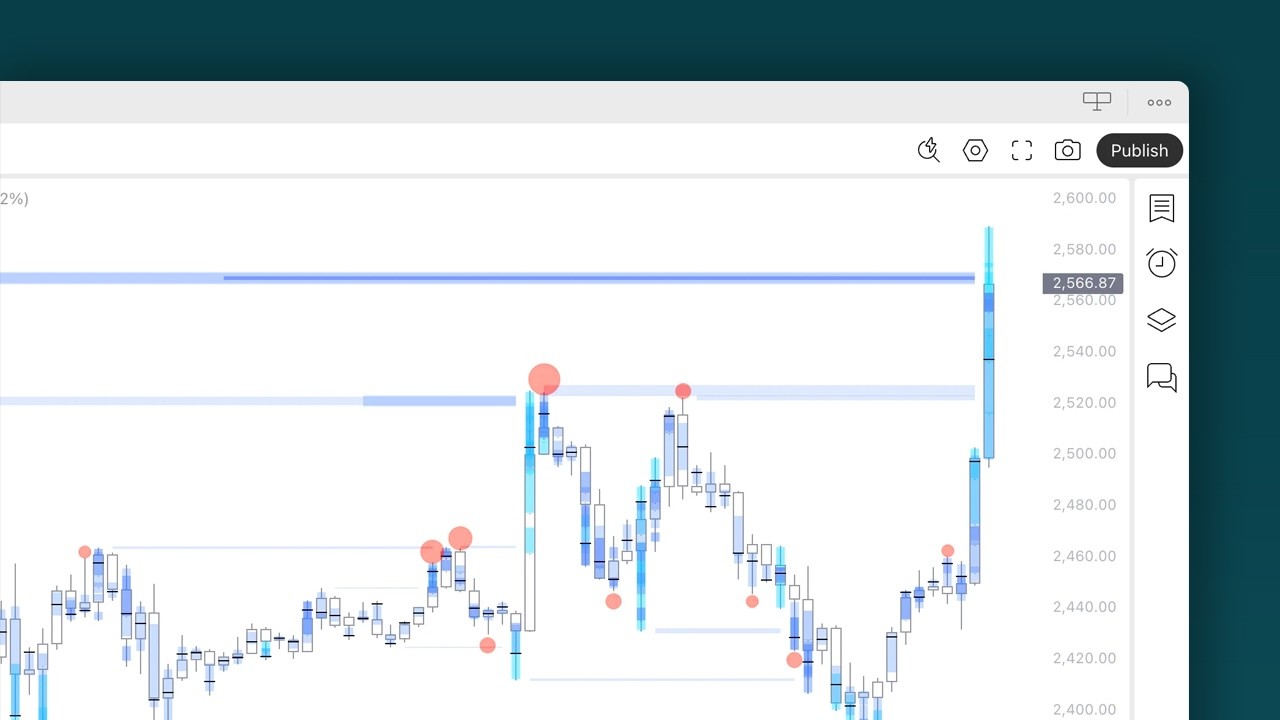
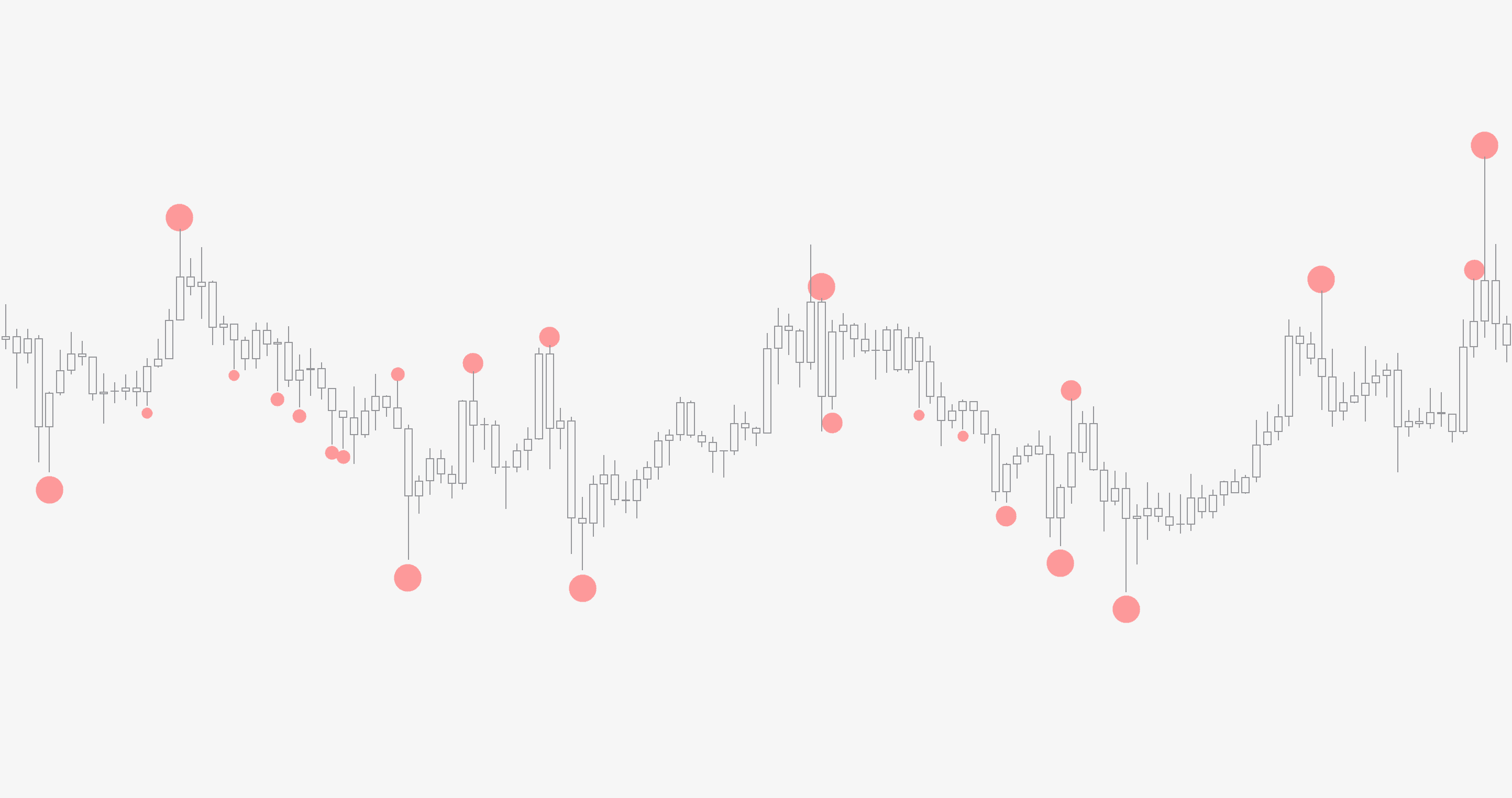
Liquidations are visualized using a bubbles of different sizes, indicating estimated amount of liquidation volume. The bigger the bubble, the larger the liquidation.
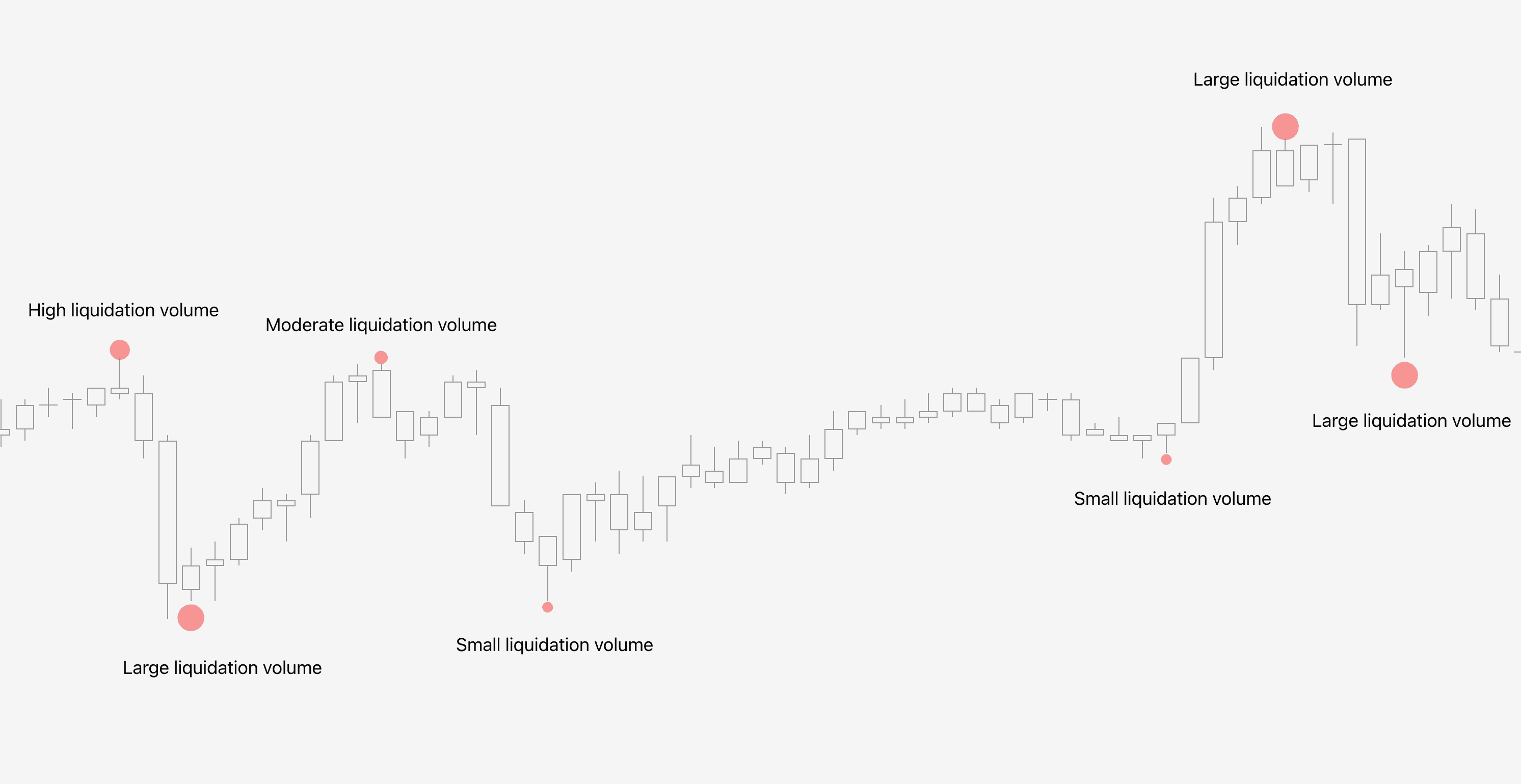

Illustration showing how to read liquidation volume in SubFlow Terminal indicator.

Liquidations in SubFlow Terminal

Liquidations in SubFlow Terminal are detected by a complex algorithm assessing volume and price anomalies associated with a liquidation event.

Liquidations are visualized using a bubbles of different sizes, indicating estimated amount of liquidation volume. The bigger the bubble, the larger the liquidation.


Illustration showing how to read liquidation volume in SubFlow Terminal indicator.

How to trade liquidations

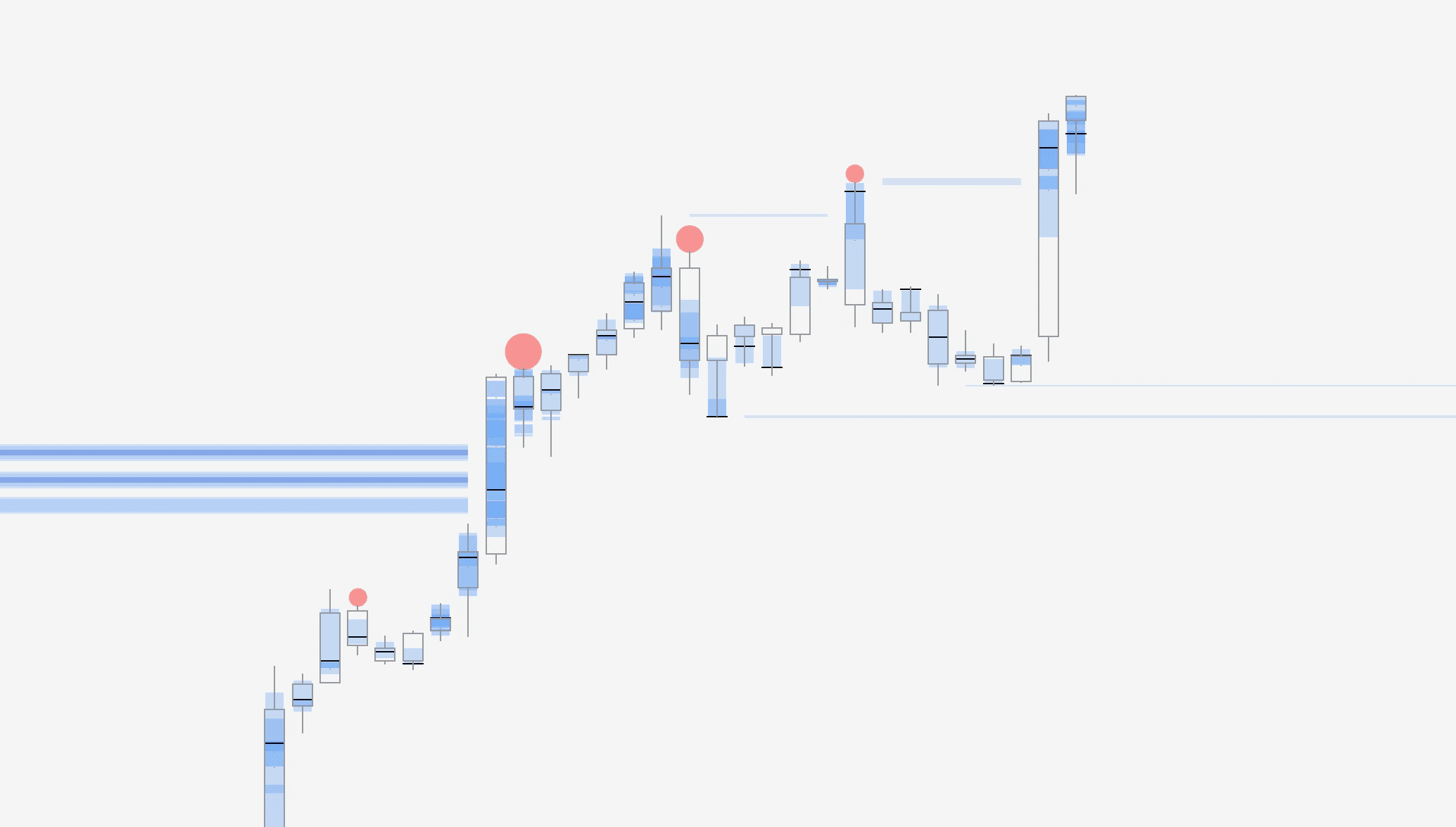
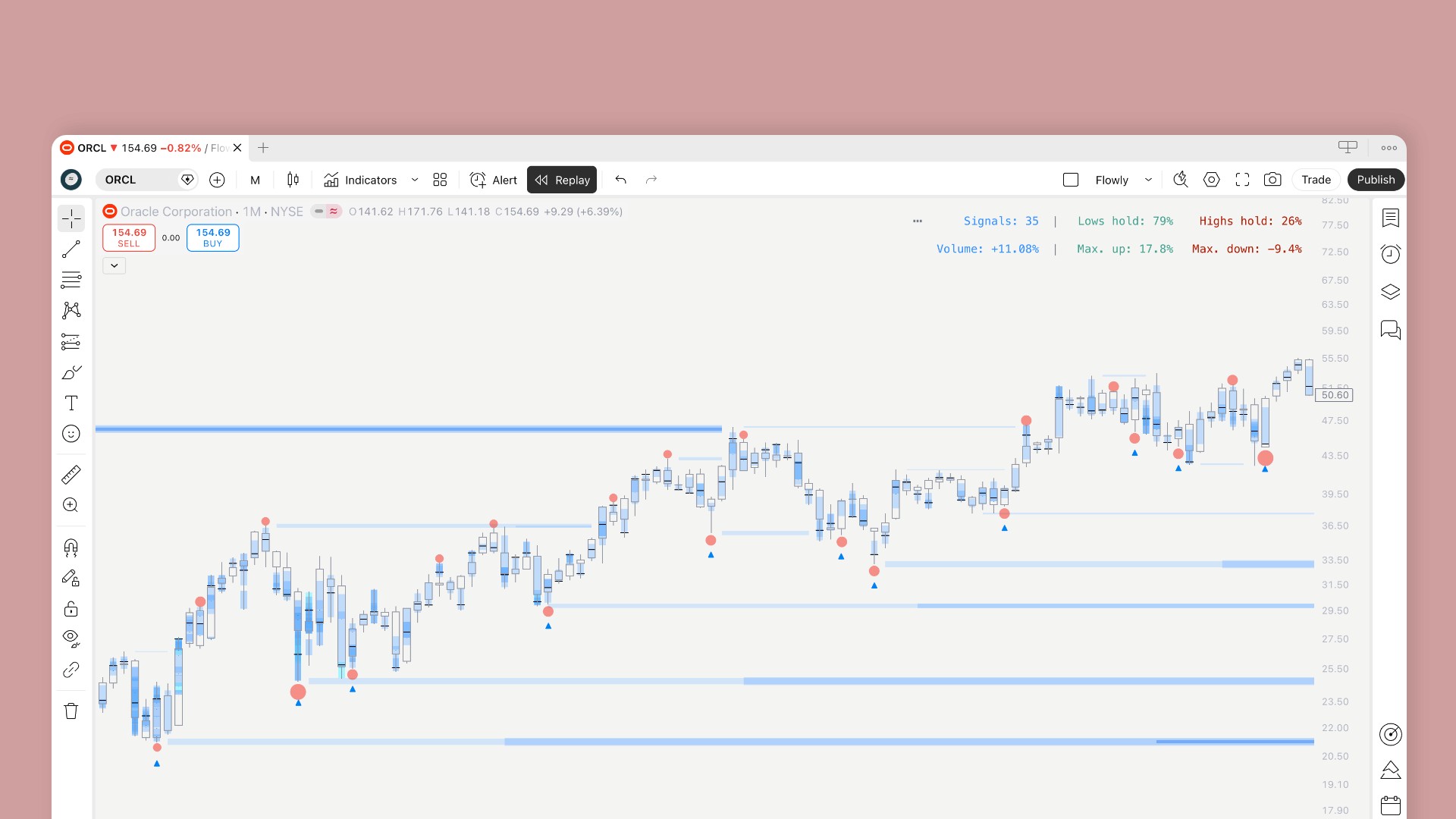
Traders set stop-losses at a price where they think their trade idea has proven to be false and it's better to cut losses. Ironically this is often when it's best to enter a trade, not exit, as many other traders have set their stop-losses at the same price level too.

As the positions get liquidated en masse, price gets exhausted. When price is exhausted, it becomes increasingly harder to sustain the current trend direction and the opposite becomes more likely.

Think of it in terms of path of hard resistance and path of least resistance. For example, when traders are liquidated on an upside move, further upside becomes the path of hard resistance - the unlikely path.

Price turning to downside, the opposite way, becomes the path of least resistance - the likely path. This creates an apt window of opportunity for a reversal/halt in price.
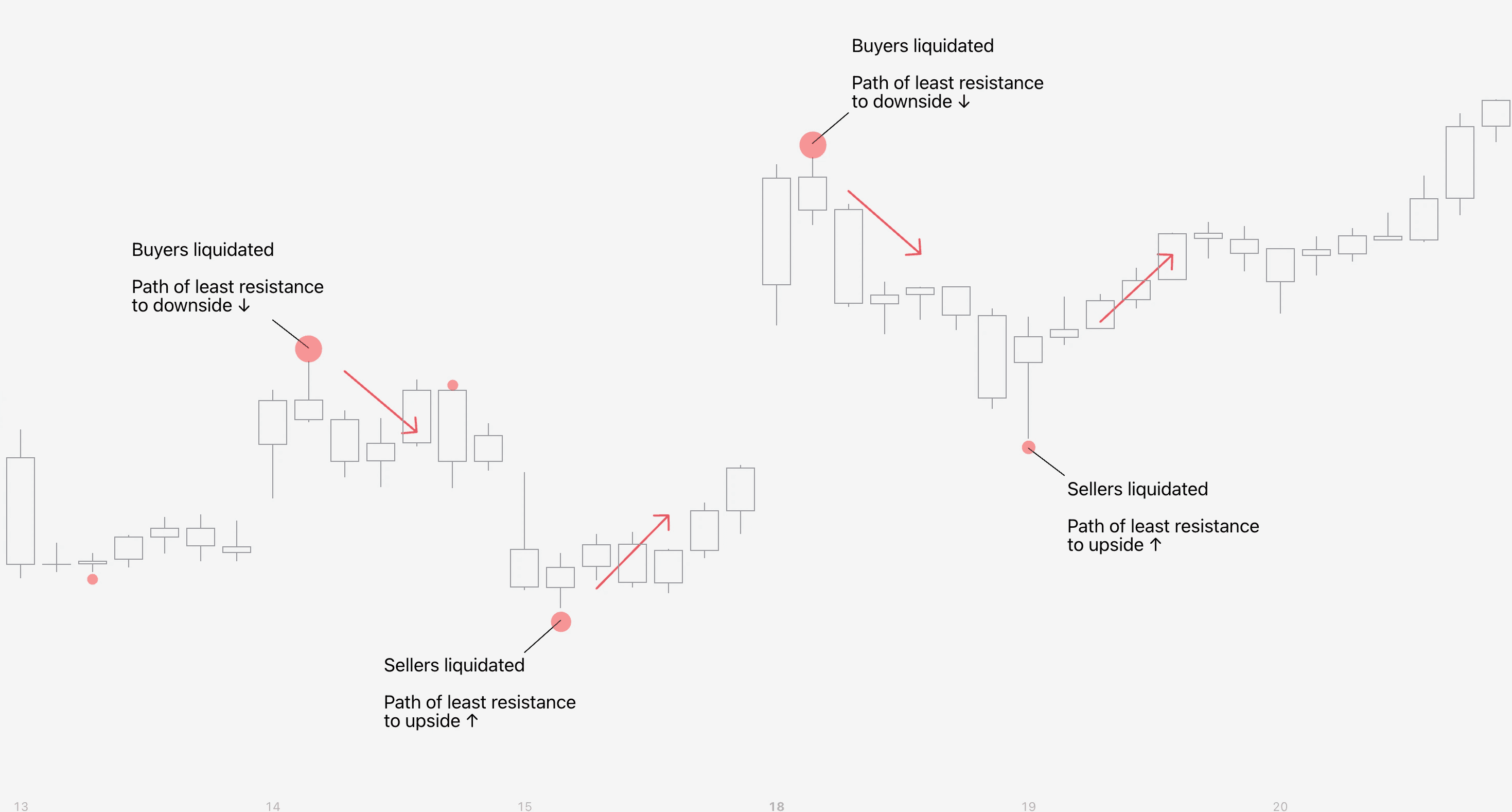

Illustration showing how to trade reversals using liquidations with SubFlow Terminal indicator.

The beauty of liquidations is that they are simple to identify, yet powerful cues for navigating price action. And that's just one example on how to trade liquidations. Find more in these playbooks ๐Ÿ‘‡

How to trade liquidations

Traders set stop-losses at a price where they think their trade idea has proven to be false and it's better to cut losses. Ironically this is often when it's best to enter a trade, not exit, as many other traders have set their stop-losses at the same price level too.

As the positions get liquidated en masse, price gets exhausted. When price is exhausted, it becomes increasingly harder to sustain the current trend direction and the opposite becomes more likely.

Think of it in terms of path of hard resistance and path of least resistance. For example, when traders are liquidated on an upside move, further upside becomes the path of hard resistance - the unlikely path.

Price turning to downside, the opposite way, becomes the path of least resistance - the likely path. This creates an apt window of opportunity for a reversal/halt in price.


Illustration showing how to trade reversals using liquidations with SubFlow Terminal indicator.

The beauty of liquidations is that they are simple to identify, yet powerful cues for navigating price action. And that's just one example on how to trade liquidations. Find more in these playbooks ๐Ÿ‘‡

Learning is path of least resistance ๐Ÿ’ช

Not learning and guessing your way in the markets is the hard one. That's how liquidations work in SubFlow Terminal. They're our favorite indications due to how simple yet effective they are.

Take a look at all the other tools and concepts in SubFlow Terminal, it will give you more context in navigating reversal trades in SubFlow Terminal ๐Ÿ‘‡

Learning is path of least resistance ๐Ÿ’ช

Not learning and guessing your way in the markets is the hard one. That's how liquidations work in SubFlow Terminal. They're our favorite indications due to how simple yet effective they are.

Take a look at all the other tools and concepts in SubFlow Terminal, it will give you more context in navigating reversal trades in SubFlow Terminal ๐Ÿ‘‡

Learn SubFlow Terminal

Learn SubFlow Terminal

Practical guides for trading flows

Practical guides for trading flows

๐Ÿค–

๐Ÿค–

Indicators

Indicators

TradingView Indicators

TradingView Indicators

Flowly Indicators

See through trading charts with orderflow

hello@flowly.tools

Disclaimer

We are an independent script vendor on TradingView and have no affiliation with them. All content provided by us are strictly for educational purposes and should not be construed as financial advice.


Hypothetical or simulated performance shown does not represent actual trading and past results do not guarantee future performance. By using our content for decision making, you do it at your own risk and fully acknowledge that you alone are responsible for your own research and financial decisions.


ยฉ 2026 Flowly Indicators. All rights reserved.

Flowly Indicators

See through trading charts with orderflow

hello@flowly.tools

Disclaimer

We are an independent script vendor on TradingView and have no affiliation with them. All content provided by us are strictly for educational purposes and should not be construed as financial advice.


Hypothetical or simulated performance shown does not represent actual trading and past results do not guarantee future performance. By using our content for decision making, you do it at your own risk and fully acknowledge that you alone are responsible for your own research and financial decisions.


ยฉ 2026 Flowly Indicators. All rights reserved.

hello@flowly.tools

Disclaimer

We are an independent script vendor on TradingView and have no affiliation with them. All content provided by us are strictly for educational purposes and should not be construed as financial advice.


Hypothetical or simulated performance shown does not represent actual trading and past results do not guarantee future performance. By using our content for decision making, you do it at your own risk and fully acknowledge that you alone are responsible for your own research and financial decisions.


ยฉ 2026 Flowly Indicators. All rights reserved.

quantify.tools is now Flowly Indicators. Read announcement